Sukhdev Kamboj
The messaging app landscape in 2025 has evolved dramatically, with users demanding not just simple text communication but comprehensive platforms that offer security, multimedia sharing, business integration, and seamless cross-platform compatibility. As digital communication becomes increasingly central to both personal relationships and professional workflows, choosing the right messaging app has never been more crucial. The modern user expects instant delivery, robust privacy protections, rich media support, and intuitive interfaces that work flawlessly across devices.
Today’s messaging apps serve diverse purposes beyond basic communication. They function as digital workspaces, social hubs, entertainment platforms, and secure communication channels. From end-to-end encryption for privacy-conscious users to AI-powered features for enhanced productivity, these applications have transformed how we connect, collaborate, and share information in our interconnected world.
1. WhatsApp
WhatsApp continues to dominate the global messaging landscape in 2025, serving over 2.78 billion users worldwide. The platform has evolved significantly with enhanced privacy controls, improved group management features, and seamless integration across devices. WhatsApp is the most widely-used messaging app globally and maintains its position as the go-to communication tool for personal and business use.
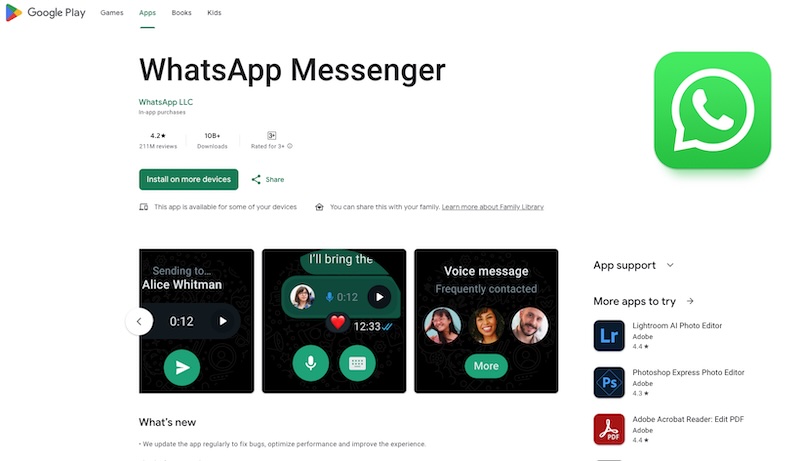
The app offers end-to-end encryption for all messages, voice calls, and video calls, ensuring user privacy remains protected. Recent updates include advanced spam filtering, improved status features with longer videos, and enhanced business messaging capabilities. The platform’s familiar interface and widespread adoption make it an essential tool for staying connected with family, friends, and colleagues across different time zones and regions.
Pros:
- Massive global user base, ensuring everyone you know is likely using it
- Strong end-to-end encryption for all communications
- Excellent cross-platform compatibility and web interface
- Comprehensive business features for professional communication
Cons:
- Owned by Meta, raising some privacy concerns for users
- Limited customization options compared to competitors
- File sharing restrictions with size limitations
- Requires phone number for account creation and verification
Why Choose WhatsApp: Choose WhatsApp if you prioritize widespread connectivity and need a reliable messaging platform that virtually everyone uses. It’s ideal for international communication, business messaging, and maintaining large social networks.
Conclusion: WhatsApp remains the king of messaging apps due to its universal adoption and reliable performance, making it indispensable for global communication despite some privacy trade-offs.
2. Signal
Signal has established itself as the gold standard for privacy-focused messaging in 2025. Signal is widely considered the gold standard for secure messaging, as all communication is always end-to-end encrypted. The open-source platform offers military-grade encryption protocols and operates under a non-profit model that prioritizes user privacy over profit. Signal’s commitment to minimal data collection means they store virtually no user information, not even metadata about your conversations.
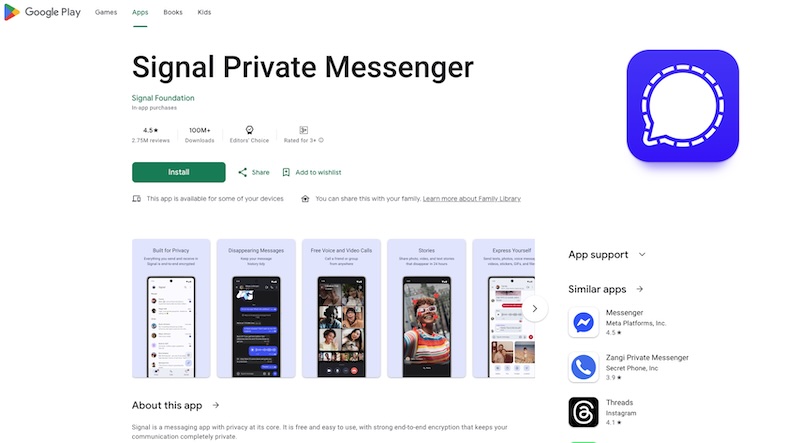
The app features disappearing messages, screenshot detection, and secure group chats with up to 1,000 members. Recent updates include improved voice and video call quality, better file sharing capabilities, and enhanced group management tools. Signal’s transparent development process allows security experts worldwide to audit its code, ensuring the highest levels of trust and security for users who prioritize digital privacy above all else.
Pros:
- Uncompromising privacy with open-source transparency
- No data collection or metadata storage
- Advanced security features like disappearing messages
- Non-profit model ensures user interests come first
Cons:
- Smaller user base limiting network effects
- Requires phone number for registration
- Limited customization and fun features
- Slower adoption of new social features
Why Choose Signal: Choose Signal if privacy and security are your top priorities. It’s perfect for sensitive communications, journalists, activists, and anyone who values digital privacy over social features.
Conclusion: Signal represents the pinnacle of secure messaging, offering unmatched privacy protection for users willing to trade some convenience for complete digital security and peace of mind.
3. Telegram
Telegram has carved out a unique position in 2025 as the feature-rich messaging platform that balances functionality with reasonable privacy protection. Supporting groups of up to 200,000 members, Telegram excels in community building and large-scale communications. The platform offers cloud-based messaging, ensuring your chats sync perfectly across all devices without consuming local storage.
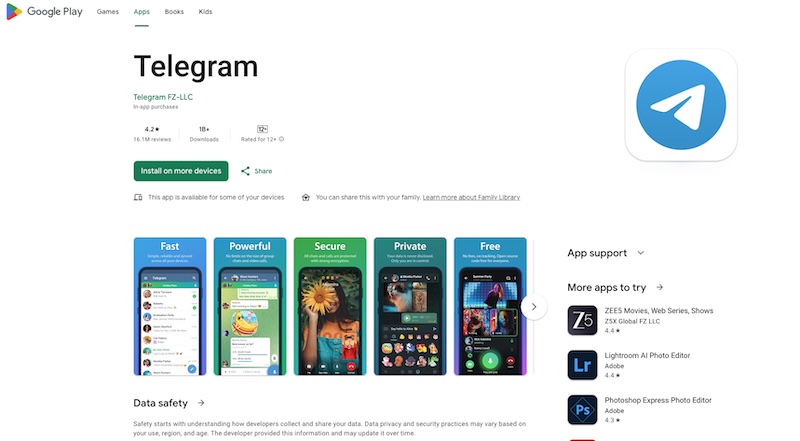
Telegram’s standout features include powerful bots, extensive customization options, file sharing up to 2GB, and channels for broadcasting to unlimited audiences. The app provides secret chats with end-to-end encryption for privacy-conscious users while maintaining regular chats for convenience and accessibility. Recent enhancements include improved video messaging, advanced chat organization tools, and enhanced bot capabilities that make Telegram feel more like a comprehensive communication ecosystem than a simple messaging app.
Pros:
- Massive group capacity (200,000 members) for large communities
- Excellent cloud synchronization across all devices
- Rich feature set including bots, channels, and extensive customization
- Large file sharing capabilities up to 2GB
Cons:
- Default chats not end-to-end encrypted (only secret chats)
- Can be overwhelming for users seeking simplicity
- Some features may encourage information overload
- Privacy concerns with default cloud storage
Why Choose Telegram: Choose Telegram if you need powerful community features, large group management, or extensive customization options. It’s ideal for content creators, large organizations, and power users who want more than basic messaging.
Conclusion: Telegram offers the most comprehensive feature set among messaging apps, making it perfect for users who want a powerful communication platform with extensive capabilities beyond simple texting.
4. iMessage
iMessage remains the premier messaging experience for Apple ecosystem users in 2025. iMessage offers the best combination of security, features, and user experience—but only within the Apple ecosystem. The platform seamlessly integrates across iPhone, iPad, Mac, and Apple Watch, providing a unified messaging experience that feels natural and effortless. iMessage features robust end-to-end encryption, high-quality media sharing, fun interactive elements like Animoji and Digital Touch, and seamless integration with other Apple services.
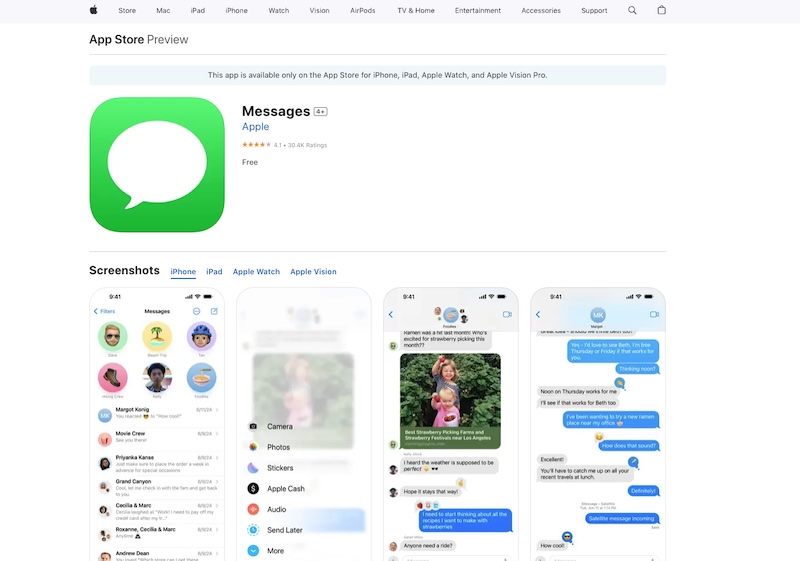
The app supports rich messaging features including reactions, replies, mentions, and screen effects that enhance the conversation experience. Recent updates include improved group chat management, enhanced privacy controls, and better integration with Apple’s broader ecosystem including Shortcuts and Siri. For Apple users, iMessage provides unmatched convenience and security within their familiar digital environment.
Pros:
- Perfect integration within the Apple ecosystem
- Strong end-to-end encryption and privacy protection
- Rich interactive features and seamless device synchronization
- No separate app download required for Apple users
Cons:
- Completely limited to Apple devices only
- No cross-platform compatibility with Android or other systems
- Can create communication barriers with non-Apple users
- Limited customization compared to third-party alternatives
Why Choose iMessage: Choose iMessage if you and your contacts primarily use Apple devices and want the most integrated messaging experience possible within the Apple ecosystem.
Conclusion: iMessage provides the most seamless messaging experience for Apple users, offering excellent security and features but limiting your communication to others within the Apple ecosystem.
5. Google Messages (RCS)
Google Messages has evolved into a powerful SMS/RCS replacement in 2025, bringing modern messaging features to traditional texting. Google Messages is revolutionizing how a billion users connect and is powered by Rich Communication Services (RCS), which replaces outdated SMS and MMS with rich media sharing, read receipts, typing indicators, and group messaging capabilities.
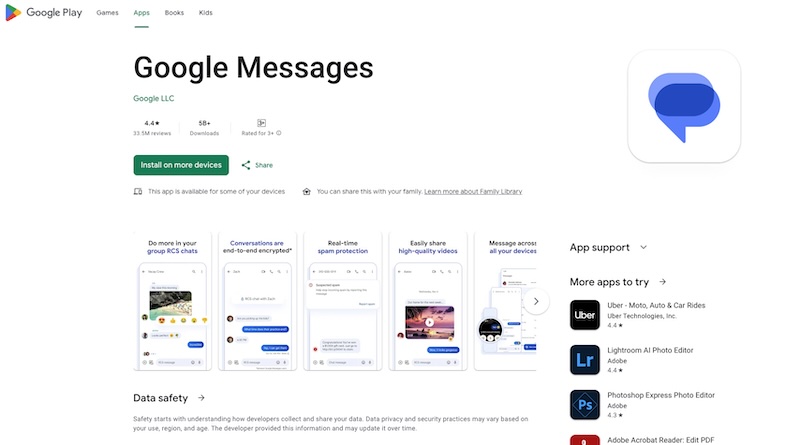
The app serves as the default messaging solution for most Android devices and offers end-to-end encryption for RCS conversations. Google Messages includes smart reply suggestions, spam protection, and seamless integration with other Google services. Recent updates include improved web interface, enhanced file sharing, and better cross-carrier compatibility. The platform bridges the gap between traditional texting and modern messaging apps, making it ideal for users who want upgraded texting without requiring contacts to download additional apps.
Pros:
- Native integration on Android devices as default messaging app
- RCS provides modern messaging features with SMS fallback
- End-to-end encryption for RCS conversations
- Excellent spam filtering and security features
Cons:
- RCS adoption varies by carrier and region
- Limited features compared to dedicated messaging apps
- Dependency on carrier support for full functionality
- Less engaging interface compared to social messaging apps
Why Choose Google Messages: Choose Google Messages if you want to upgrade your texting experience without forcing contacts to use specific apps, especially useful for Android users seeking modern messaging features.
Conclusion: Google Messages represents the evolution of traditional texting, offering modern features while maintaining universal compatibility, making it perfect for gradual messaging upgrade adoption.
6. Discord
Discord has expanded beyond gaming to become a comprehensive communication platform for communities in 2025. The platform excels at organizing conversations through servers, channels, and threads, making it ideal for both small friend groups and large communities. Discord offers high-quality voice and video calls, screen sharing, and streaming capabilities that rival dedicated video conferencing tools. The platform supports rich media sharing, custom emoji, and extensive bot integration for automation and entertainment.
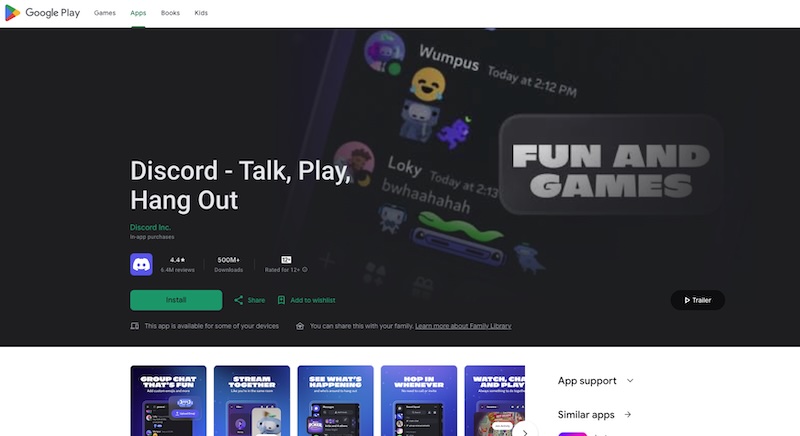
Recent updates include improved mobile experience, enhanced privacy controls, and better community management tools. Discord’s unique server-based structure allows users to participate in multiple communities simultaneously, each with custom roles, permissions, and channels tailored to specific topics or activities. The platform has become essential for gamers, content creators, educators, and various interest-based communities.
Pros:
- Excellent server and community organization features
- High-quality voice channels and video streaming capabilities
- Rich bot ecosystem and extensive customization options
- Strong community building tools and moderation features
Cons:
- Can be complex and overwhelming for simple messaging needs
- Gaming-focused culture may not appeal to all users
- Privacy concerns with data collection practices
- Requires learning curve for new users unfamiliar with server structure
Why Choose Discord: Choose Discord if you want to build or participate in organized communities, need high-quality voice communication, or enjoy rich interactive features and customization options.
Conclusion: Discord excels as a community-focused platform that goes beyond simple messaging to create engaging, organized spaces for groups with shared interests and activities.
7. Microsoft Teams
Microsoft Teams has evolved into a comprehensive communication and collaboration platform by 2025, extending far beyond video conferencing to include robust messaging capabilities. The platform seamlessly integrates with Microsoft 365 applications, making it indispensable for business and educational environments. Teams offers persistent chat, file sharing, collaborative editing, and extensive third-party app integration. For Large Teams & Enterprises: Slack and Microsoft Teams are the best options due to their extensive collaboration tools, integrations, and enterprise-level security.
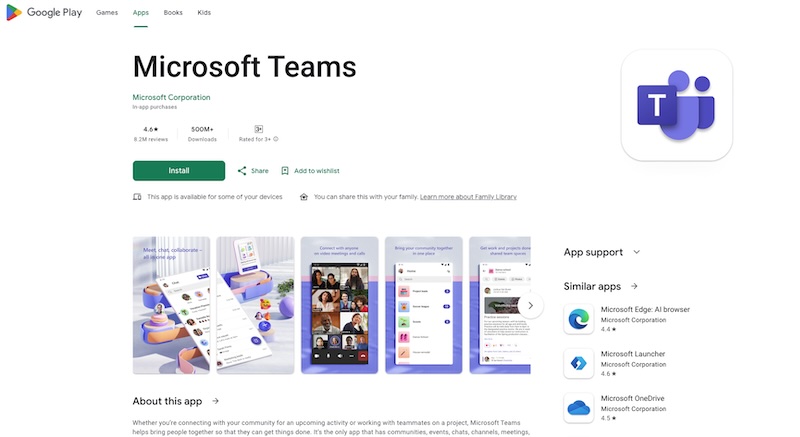
The platform provides enterprise-grade security, compliance features, and administrative controls that meet organizational requirements. Recent updates include improved mobile experience, enhanced chat organization, and better integration with other Microsoft services. Teams excels at combining messaging with productivity tools, allowing users to seamlessly transition between conversation and collaboration without switching platforms.
Pros:
- Deep integration with Microsoft 365 ecosystem
- Enterprise-grade security and compliance features
- Comprehensive collaboration tools beyond messaging
- Excellent video conferencing and screen sharing capabilities
Cons:
- Can be resource-intensive and slow on older devices
- Overwhelming interface for simple messaging needs
- Best suited for business use rather than personal communication
- Requires Microsoft ecosystem for optimal experience
Why Choose Microsoft Teams: Choose Microsoft Teams if you work in an organization using Microsoft 365 and need integrated communication and collaboration tools with enterprise security.
Conclusion: Microsoft Teams provides the most comprehensive business communication solution, combining messaging with productivity tools in a secure, enterprise-ready platform.
8. Slack
Slack continues to lead workplace communication in 2025 with its intuitive channel-based messaging system and extensive integration ecosystem. The platform organizes conversations into channels, direct messages, and threads, making it easy to manage multiple projects and teams simultaneously. Slack offers powerful search functionality, file sharing, and workflow automation through its extensive app directory.
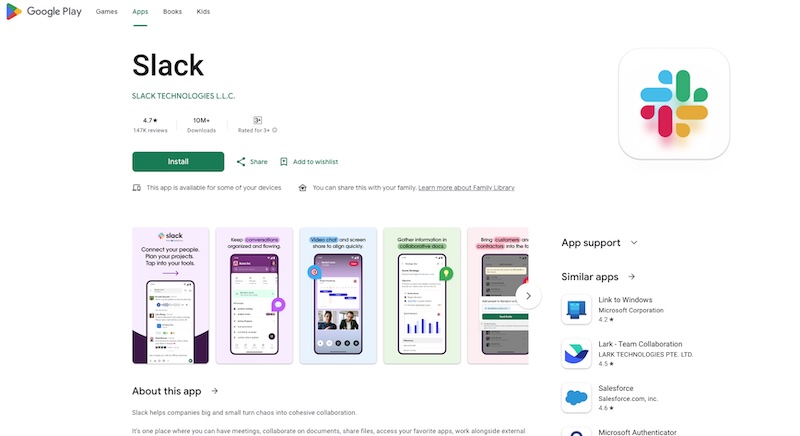
The platform provides excellent customization options, from custom emoji to automated workflows that streamline routine tasks. Recent updates include improved mobile experience, enhanced security features, and better integration with external tools. Slack’s strength lies in its ability to reduce email dependence while maintaining organized, searchable conversation histories. The platform supports both synchronous and asynchronous communication, making it ideal for distributed teams and flexible work arrangements.
Pros:
- Intuitive channel organization and excellent search functionality
- Extensive third-party integrations and automation capabilities
- Strong asynchronous communication features
- Professional interface designed for workplace productivity
Cons:
- Can become expensive for larger teams
- Information overload potential with many channels
- Not ideal for personal or casual communication
- Learning curve for effective channel and thread management
Why Choose Slack: Choose Slack if you need organized workplace communication with extensive integration capabilities and want to reduce email dependence while maintaining professional communication standards.
Conclusion: Slack remains the gold standard for workplace messaging, offering the perfect balance of organization, functionality, and professional communication tools for modern teams.
9. Snapchat
Snapchat has maintained its unique position in 2025 as the ephemeral messaging platform that emphasizes visual communication and authentic sharing. The app’s core feature of disappearing messages creates a more relaxed communication environment where users feel comfortable sharing spontaneous moments. Snapchat offers innovative AR filters, Bitmoji integration, and location-based features like Snap Map that enhance social connectivity.
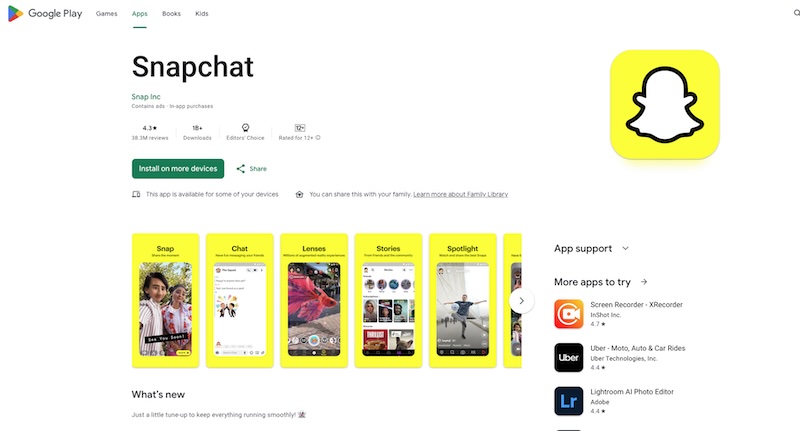
The platform includes Stories, group chats, and video calls, all wrapped in a playful interface that appeals to younger demographics. Recent updates include improved camera quality, enhanced privacy controls, and better group messaging features. Snapchat’s focus on visual storytelling and temporary content makes it ideal for casual, fun communication that doesn’t require permanent record keeping. The app continues to innovate with AR technology and creative tools that set it apart from text-focused competitors.
Pros:
- Unique ephemeral messaging creates relaxed communication atmosphere
- Innovative AR filters and visual communication tools
- Strong privacy through disappearing content
- Engaging location-based and social discovery features
Cons:
- Not suitable for important or business communications
- Limited text-based conversation features
- Smaller user base compared to major messaging platforms
- Can be confusing interface for older users
Why Choose Snapchat: Choose Snapchat if you want fun, visual communication with friends and enjoy creative, temporary sharing without permanent digital footprints.
Conclusion: Snapchat offers a unique, playful messaging experience that prioritizes visual communication and ephemeral sharing, perfect for casual social interaction and creative expression.
10. Viber
Viber rounds out our list as a solid international messaging alternative that offers comprehensive communication features with a focus on security and reliability. The platform provides end-to-end encryption for all communications, including messages, calls, and media sharing. Viber offers free voice and video calls with excellent quality, group chats up to 250 participants, and a robust sticker ecosystem that enhances expression.
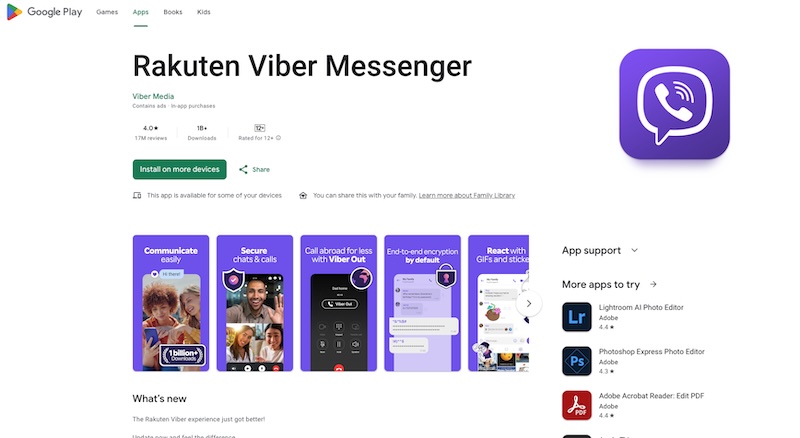
The app includes Viber Out for calling non-Viber users, Public Accounts for following brands and celebrities, and Communities for large group discussions. Recent updates include improved security features, better file sharing capabilities, and enhanced group management tools. Viber maintains a strong presence in Eastern Europe, Asia, and other regions where it serves as a primary communication platform. The app balances feature richness with user privacy, offering a comprehensive messaging solution that competes well with larger platforms.
Pros:
- Strong end-to-end encryption for all communications
- Excellent international calling features and rates
- Rich sticker ecosystem and expressive communication tools
- Good balance of features and privacy protection
Cons:
- Smaller user base in North America and Western Europe
- Interface can feel cluttered with many features
- Less integration with other services compared to major platforms
- Limited business and professional communication features
Why Choose Viber: Choose Viber if you need reliable international communication with good security, especially if you have contacts in regions where Viber is popular.
Conclusion: Viber provides a well-rounded messaging experience with strong security and international calling features, making it an excellent choice for users seeking alternatives to mainstream platforms with good regional support.
Final Thoughts
Selecting the right messaging app in 2025 depends on your specific needs, privacy requirements, and social network. WhatsApp remains the universal choice for broad connectivity, while Signal offers unmatched privacy for security-conscious users. Telegram provides the richest feature set for power users, and iMessage delivers the best experience within Apple’s ecosystem. For business communication, Microsoft Teams and Slack lead the way, while Discord excels for community building.
Consider your primary use case: personal communication favors WhatsApp or iMessage, privacy-focused users should choose Signal, feature enthusiasts will prefer Telegram, and business users benefit from Teams or Slack. The messaging landscape continues evolving with enhanced privacy controls, improved cross-platform compatibility, and richer communication features across all platforms.