Geeksdigit Team
 ![How to Open HEIC Files in Windows 11/10 [FREE]](https://www.geeksdigit.com/wp-content/themes/rehub-theme/images/default/noimage_500_500.png)
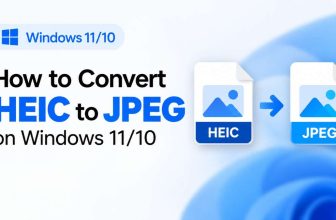
As smartphone cameras continue to improve, image formats have evolved to deliver better quality while using less storage space. One of the most common modern image formats is HEIC, which stands for High Efficiency Image Container. Apple introduced HEIC as the default photo format for iPhones and iPads because it provides excellent image quality while significantly reducing file size compared to older formats like JPEG.
While HEIC works seamlessly within Apple’s ecosystem, many Windows users quickly discover that opening these files on a PC is not always straightforward. Attempting to open HEIC images on Windows 10 or Windows 11 may result in unsupported file errors, blank thumbnails, or prompts to purchase additional codecs. This can be frustrating for users transferring photos from iPhones, receiving HEIC files from others, or managing Apple-created image libraries on Windows systems.

Fortunately, opening HEIC files on Windows does not have to be complicated or expensive. There are several free methods available, including built-in Microsoft tools, official codec support, free image viewers, conversion software, browser solutions, and cloud services.
This complete guide explains what HEIC files are, why Windows struggles with them, and the best free ways to open, view, and convert HEIC images on Windows 10 and Windows 11.
Understanding the HEIC File Format
HEIC is based on the High Efficiency Video Coding (HEVC or H.265) standard and was designed to improve storage efficiency without sacrificing image quality.
Compared to JPEG, HEIC files typically offer:
- Smaller file sizes
- Better image compression
- Higher quality retention
- Support for advanced metadata
- Multiple images in one container
- Transparency support
- Better color depth
Apple adopted HEIC beginning with iOS 11, making it the default format for many photos captured on:
- iPhones
- iPads
- AirDrop transfers
- Live Photos
- iCloud exports
Although HEIC offers technical advantages, compatibility outside Apple devices remains inconsistent.
Why Windows Cannot Always Open HEIC Files by Default
Unlike JPEG or PNG, HEIC requires specialized codecs for decoding.
Windows 10 and Windows 11 may lack:
- HEIF Image Extensions
- HEVC Video Extensions
- Proper media support
- Thumbnail handlers
As a result, users may experience:
- “File not supported” errors
- Missing previews
- Inability to edit images
- Broken thumbnails
- Limited software compatibility
Microsoft offers official solutions, but additional setup is often necessary.
Free Method 1: Install HEIF Image Extensions from Microsoft Store
The easiest official solution is Microsoft’s HEIF Image Extensions.
This extension allows Windows Photos and File Explorer to recognize HEIC files.
Steps:
- Open Microsoft Store
- Search for “HEIF Image Extensions”
- Install the free extension
- Restart Photos app if needed
Once installed, many HEIC files can be viewed directly through:
- Photos app
- File Explorer thumbnails
- Paint
- Basic Windows image tools
For many users, this is the simplest and most reliable free solution.
Understanding HEVC Dependency
Some HEIC files also require HEVC support.
Microsoft sometimes charges for official HEVC extensions, but many devices already include them depending on hardware manufacturers.
If missing, users may encounter partial compatibility issues.
However, many free third-party apps bypass this limitation entirely.
Free Method 2: Use Free Third-Party Image Viewers
Several trusted free applications can open HEIC files without requiring paid codecs.
Popular options include:
- IrfanView
- CopyTrans HEIC
- XnView
- ImageGlass
- FastStone Image Viewer
These programs often provide broader functionality than Windows Photos, including:
- Batch viewing
- Conversion
- Editing
- Metadata support
- Slideshow tools
For users handling large photo libraries, third-party viewers may be the most practical solution.
Free Method 3: CopyTrans HEIC for Windows
CopyTrans HEIC is particularly popular for iPhone users.
It integrates directly with Windows and enables:
- Native File Explorer previews
- Right-click conversion to JPEG
- Thumbnail support
- Office compatibility
Advantages:
- Simple installation
- Free for personal use
- Seamless Windows integration
- Easy conversion
This option is excellent for users regularly transferring iPhone photos.
Free Method 4: Convert HEIC to JPG Online
For occasional use, online conversion websites can quickly process HEIC files.
Common free services include browser-based converters that allow users to upload HEIC images and download JPEG or PNG versions.
Benefits:
- No software installation
- Quick access
- Works on any browser
- Simple interface
Drawbacks:
- Privacy concerns
- Upload limitations
- Internet dependency
- Potential file size restrictions
Sensitive personal photos may be better handled offline.
Free Method 5: Use Built-In iPhone Settings to Avoid HEIC
If you frequently transfer photos from iPhone to Windows, prevention may be easier than conversion.
On iPhone:
- Open Settings
- Go to Camera
- Select Formats
- Choose Most Compatible
This changes future photos to JPEG.
Additionally:
- Enable automatic transfer as JPEG via Photos settings
While this increases file size, it greatly improves Windows compatibility.
Free Method 6: Open HEIC Files in Web Browsers or Cloud Platforms
Many cloud services and browsers support HEIC previews.
Examples include:
- Google Photos
- OneDrive
- Dropbox
- iCloud web
- Browser drag-and-drop tools
These options can be useful for quick viewing without local software changes.
However, editing functionality may vary.
Converting HEIC Files in Bulk for Free
Users with large Apple photo libraries may need batch conversion.
Tools like:
- IrfanView plugins
- XnConvert
- CopyTrans
- ImageMagick
can process multiple HEIC files simultaneously.
Benefits:
- Time savings
- Standardized file formats
- Better compatibility
- Easier backups
Batch conversion is especially useful for professional or archival workflows.
HEIC vs JPEG: Which Is Better?
HEIC offers several technical advantages:
- Smaller size
- Better compression
- Improved quality
- Advanced metadata
- Modern efficiency
JPEG offers:
- Universal compatibility
- Easier sharing
- Simpler editing
- Broader software support
For Apple ecosystems, HEIC is often preferable. For Windows-heavy environments, JPEG may remain more practical.
Common Problems When Opening HEIC Files
Users may encounter:
Missing thumbnails:
Usually codec-related.
“Need additional codecs”:
HEIF or HEVC missing.
File corruption:
Transfer issue.
Unsupported editing:
Software limitations.
Slow loading:
Large file size or poor software optimization.
Proper software installation resolves most issues.
Security and Privacy Considerations
When using third-party tools or online converters:
- Choose reputable providers
- Avoid suspicious downloads
- Protect personal photos
- Prefer offline conversion for sensitive images
- Maintain antivirus protection
Privacy is especially important for personal or family photos.
Best Long-Term Solution for Windows Users
For most users, combining official Microsoft HEIF support with a free dedicated viewer offers the best balance.
Recommended setup:
- Install HEIF Image Extensions
- Use CopyTrans or IrfanView
- Enable automatic iPhone JPEG conversion if preferred
- Keep reliable conversion software available
This provides maximum flexibility.
Final Thoughts
HEIC is an efficient and increasingly common image format, particularly for Apple users, but Windows compatibility can sometimes create unnecessary frustration. Fortunately, there are many free and effective ways to open HEIC files on Windows 10 and Windows 11 without paying for expensive software or complicated tools.
Whether you choose Microsoft’s free HEIF extension, third-party viewers like CopyTrans or IrfanView, online converters, or preventative iPhone settings, each method offers practical solutions depending on your needs. Casual users may only need basic viewing support, while photographers or professionals may benefit from full-featured batch conversion tools.
By understanding the available options and selecting the right approach, Windows users can easily manage HEIC files, enjoy Apple photos without compatibility headaches, and maintain a smoother workflow across devices. With proper setup, HEIC becomes far less of an obstacle and far more manageable in everyday Windows environments.
![How to Open HEIC Files in Windows 11/10 [FREE]](https://www.geeksdigit.com/wp-content/themes/rehub-theme/images/default/noimage_70_70.png)