Geeksdigit Team
Windows 11 introduced one of the biggest changes to the Windows ecosystem by adding support for Android applications. This feature allows users to run many Android apps directly on their computers without relying on traditional Android emulators. However, Windows 11 does not include the Google Play Store by default. Instead, Microsoft originally partnered with the Amazon Appstore, which offers a much smaller collection of Android apps.
If you want access to millions of Android apps and games, installing the Google Play Store on Windows 11 is the best solution. Once installed correctly, you can sign in with your Google account, download Android applications, update them through the Play Store, and enjoy an experience similar to using an Android tablet.
Although the installation process is more advanced than installing a normal Windows application, it has become much easier thanks to community-developed tools. Most users can complete the setup in less than an hour by carefully following the instructions. In this guide, you’ll learn everything you need to know, from system requirements and preparation to installing the Windows Subsystem for Android (WSA) and adding the Google Play Store safely.
What Is Google Play Store on Windows 11?
The Google Play Store is Google’s official marketplace for Android applications, games, movies, books, and digital content. Since Windows 11 supports Android applications through the Windows Subsystem for Android (WSA), enthusiasts have found reliable ways to integrate Google Play Services and the Play Store into WSA.
Once installed, you can:
- Download Android apps directly from Google Play.
- Sign in using your Google account.
- Sync supported apps across Android devices.
- Install apps that require Google Play Services.
- Receive Play Store updates for installed applications.
Keep in mind that this is not an official Google or Microsoft installation method, so occasional compatibility issues may occur after major Windows updates.
Requirements Before Installing Google Play Store
Before beginning the installation, make sure your PC meets these requirements.
Windows Version
Your computer should be running Windows 11 with the latest cumulative updates installed. Older builds may not support the latest version of Windows Subsystem for Android.
Hardware Virtualization
Hardware virtualization must be enabled in your BIOS or UEFI firmware. Intel systems usually use Intel VT-x, while AMD systems use AMD-V.
Sufficient RAM
At least 8 GB of RAM is recommended, while 16 GB provides a smoother experience when running Android apps.
SSD Storage
Google Play Store and Android apps perform much better when Windows is installed on an SSD.
Administrator Account
You’ll need administrator privileges because several Windows features must be enabled.
Stable Internet Connection
Downloads during installation may exceed several gigabytes.
Method 1: Enable Virtualization in BIOS
Before installing Android support, virtualization must be enabled.
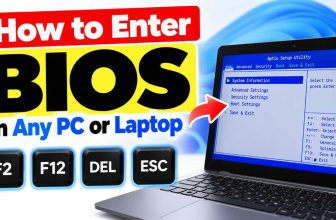
Restart your PC and enter BIOS or UEFI settings by pressing the appropriate key during startup. Depending on your motherboard, this could be Delete, F2, F10, or another key.
Locate CPU or Advanced settings and enable:
- Intel Virtualization Technology (VT-x)
- AMD SVM Mode
- AMD-V
Save the settings and restart Windows.
To verify virtualization:
- Press Ctrl + Shift + Esc.
- Open Performance.
- Select CPU.
- Check whether Virtualization displays Enabled.
If virtualization remains disabled, revisit BIOS settings.
Method 2: Enable Required Windows Features
Windows Subsystem for Android depends on several Windows components.
Open Windows Search and type Turn Windows features on or off.
Enable:
- Virtual Machine Platform
- Windows Hypervisor Platform
- Hyper-V (if available)
Click OK and allow Windows to install the required components.
Restart your computer after installation completes.
Method 3: Install Windows Subsystem for Android
The next step is installing WSA.
Open Microsoft Store and install Windows Subsystem for Android if it is available in your region. If it isn’t available, you can install it manually using official Microsoft packages.
After installation:
- Launch Windows Subsystem for Android.
- Open Settings.
- Enable Developer Mode.
- Configure optional memory settings if available.
Leave the application installed before continuing.
Method 4: Install Google Play Store Using a Patched WSA Package
This is currently the most popular installation method.
Community developers have created modified WSA packages containing:
- Google Play Store
- Google Play Services
- Google Play Framework
- Required Google libraries
Download a trusted patched WSA package from a reputable developer.
Before installing:
- Uninstall any previous WSA installation.
- Restart Windows.
- Extract the downloaded archive.
Open PowerShell as Administrator.
Navigate to the extracted folder.
Run the installation script included with the package.
The installation process may take several minutes.
After completion:
- Restart Windows.
- Launch Windows Subsystem for Android.
- Open the Google Play Store.
Sign in with your Google account.
Method 5: Configure Windows Subsystem for Android
After installation, configure WSA for better compatibility.
Open Windows Subsystem for Android settings.
Enable:
- Developer Mode
- Continuous operation (if available)
- Shared folders
- Clipboard sharing
Allocate sufficient memory if your PC has enough RAM.
These settings improve Android app performance.
Method 6: Sign In to Google Play Store
Launch Google Play Store from the Start menu.
You’ll see the familiar Google login screen.
Enter your:
- Gmail address
- Password
- Two-factor authentication code if enabled
Accept Google’s terms.
The Play Store should begin syncing your account.
You can now install Android apps just like on a smartphone.
Method 7: Install Android Apps
Search for an application.
Click Install.
Wait for the download.
Once installed, apps appear:
- In the Start menu
- Through Windows Search
- Inside WSA
Many apps can also be pinned to the taskbar.
Method 8: Update Google Play Store
Keeping Play Store updated improves compatibility.
Open Google Play Store.
Tap your profile.
Open Settings.
Expand About.
If an update is available, Google automatically installs it.
Windows Subsystem for Android updates separately through Microsoft.
Method 9: Troubleshoot Common Installation Problems
Although installation is generally straightforward, some users encounter issues.
Play Store Won’t Open
Restart Windows.
Restart Windows Subsystem for Android.
Clear Play Store cache.
Google Sign-in Fails
Verify internet connectivity.
Check system date and time.
Restart WSA.
Try signing in again.
Installation Script Stops
Run PowerShell as Administrator.
Temporarily disable antivirus if it blocks the installation.
Ensure Developer Mode is enabled.
Android Apps Crash
Update Windows.
Update graphics drivers.
Restart WSA.
Clear app storage.
Virtualization Errors
Double-check BIOS settings.
Verify Virtual Machine Platform is enabled.
Confirm virtualization shows Enabled in Task Manager.
Method 10: Uninstall Google Play Store
If you no longer need Android support:
Open Windows Settings.
Go to Apps.
Locate Windows Subsystem for Android.
Select Uninstall.
Restart your computer.
If using a modified package, uninstall any remaining Android components if necessary.
This completely removes Google Play Store and Android applications from Windows.
Benefits of Installing Google Play Store on Windows 11
Installing the Play Store offers several advantages.
You gain access to millions of Android apps unavailable through the Amazon Appstore. Many productivity apps, educational tools, entertainment platforms, and mobile games rely on Google Play Services, making the Play Store the preferred option for most users.
Android developers can also use Windows 11 to test applications without relying on separate Android devices. Students can use educational apps on larger displays, while casual users enjoy messaging apps, note-taking software, and streaming services directly from their desktops.
Another advantage is synchronization. Signing in with your Google account lets supported apps sync settings, purchases, and progress across Android devices, creating a more seamless experience.
Limitations of Google Play Store on Windows 11
Despite its benefits, there are a few limitations.
Not every Android app is optimized for keyboard and mouse controls. Some mobile games require touch input or external controllers to function correctly.
Certain apps rely on hardware sensors such as GPS, gyroscope, or accelerometer, which are unavailable on most desktop computers. Banking applications and DRM-protected apps may also refuse to run because they detect an unsupported environment.
Major Windows updates can occasionally affect modified WSA installations, requiring users to reinstall or update the patched package. Since this method is community-supported rather than officially endorsed by Microsoft or Google, occasional maintenance may be necessary.
Tips for Better Performance
If you plan to use Android apps frequently, a few optimizations can improve performance. Keep Windows 11 updated with the latest cumulative updates, install current graphics drivers, and use an SSD for faster storage access. Systems with 16 GB or more of RAM can dedicate additional memory to WSA, helping demanding applications run more smoothly.
Closing unnecessary background programs before launching Android apps also frees system resources. If you install many Android applications, periodically clearing unused apps and cached data helps maintain responsiveness.
Is Installing Google Play Store Safe?
The safety of the installation depends largely on the source of the modified WSA package. Downloading files from trusted, well-known developers and open-source communities significantly reduces the risk of malware or unwanted modifications. Avoid downloading installation packages from unknown websites or unofficial file-sharing services.
It’s also a good idea to create a system restore point or a full backup before making significant changes to your Windows installation. This provides an easy recovery option if something goes wrong during the setup process.
Conclusion
Installing the Google Play Store on Windows 11 unlocks access to the complete Android app ecosystem, allowing you to run millions of mobile apps directly on your PC. While Microsoft officially supports Android apps through Windows Subsystem for Android, adding Google Play Services expands compatibility far beyond what the Amazon Appstore offers.
The process requires enabling virtualization, activating essential Windows features, installing Windows Subsystem for Android, and using a trusted patched WSA package that includes Google Play Services. Although the setup involves several steps, careful preparation makes it manageable even for users with limited technical experience.
Once everything is configured, you can sign in with your Google account, install Android applications, receive updates through the Play Store, and enjoy a more versatile Windows experience. As long as you keep Windows and WSA updated and use reliable installation sources, Google Play Store can become a valuable addition to your Windows 11 PC.
Frequently Asked Questions
1. Can I install Google Play Store without Windows Subsystem for Android?
No. Windows Subsystem for Android provides the environment required to run Android apps on Windows 11.
2. Does installing Google Play Store void my Windows warranty?
No. It does not affect your Windows license, but it is an unofficial modification and is not supported by Microsoft.
3. Will Google Play Store receive updates?
Yes. The Play Store can update itself, while Windows Subsystem for Android receives updates separately.
4. Can I uninstall Google Play Store later?
Yes. Removing Windows Subsystem for Android also removes the installed Google Play Store and Android apps.